Exploring Ancestral Artistry in Modern Interior Design

The world of interior design is constantly evolving, yet it often draws inspiration from the past. One of the most captivating trends in recent years is the incorporation of ancestral artistry into modern spaces. This blend of traditional craftsmanship and contemporary aesthetics not only enriches our living environments but also connects us to our heritage. In this blog post, we will explore how ancestral artistry can be integrated into modern interior design, the significance of these artistic traditions, and practical ways to incorporate them into your home.
Understanding Ancestral Artistry
Ancestral artistry refers to the traditional crafts and artistic expressions passed down through generations. These art forms often reflect the culture, history, and values of a community. They can include textiles, pottery, woodwork, metalwork, and more. Each piece tells a story, offering a glimpse into the lives and traditions of those who created them.
The Importance of Ancestral Artistry
Cultural Connection
Incorporating ancestral artistry into modern design helps preserve cultural heritage. It allows us to celebrate our roots and share our stories with others.
Unique Aesthetic
Ancestral art brings a unique aesthetic to interior spaces. The intricate designs and craftsmanship can serve as focal points, adding character and depth to a room.
Sustainability
Many traditional art forms utilize sustainable materials and methods. By choosing these pieces, you support eco-friendly practices and artisans who prioritize sustainability.
Integrating Ancestral Artistry into Modern Design
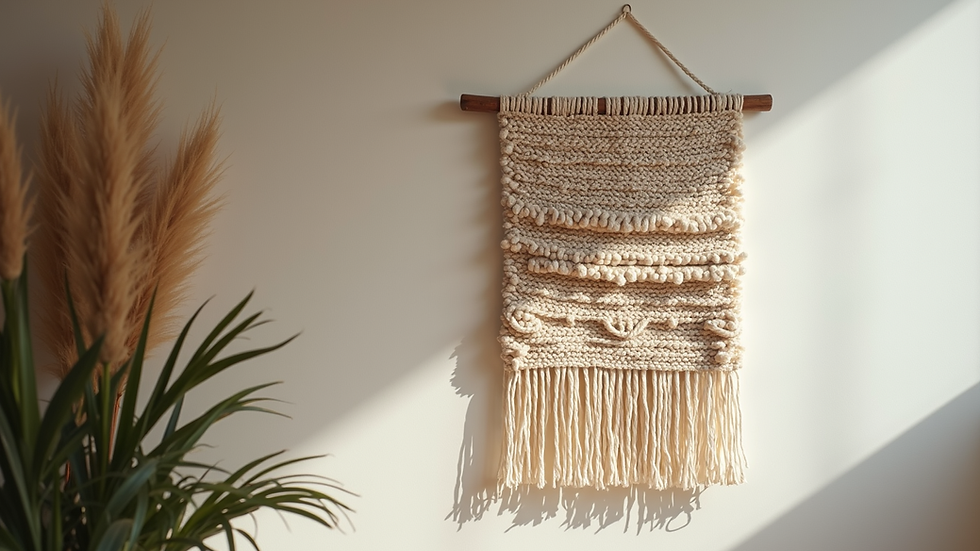
1. Textiles and Fabrics
Textiles are one of the most accessible ways to incorporate ancestral artistry into your home. Consider using traditional fabrics for upholstery, curtains, or throw pillows.
Example: Handwoven rugs from Morocco or vibrant textiles from Guatemala can add warmth and color to a space.
2. Pottery and Ceramics
Handcrafted pottery and ceramics can serve as both functional items and decorative pieces. Look for unique bowls, vases, or plates that reflect traditional techniques.
Example: Japanese Raku pottery, known for its unique glazing techniques, can add an artistic touch to your dining table or display shelves.
3. Woodwork and Furniture
Furniture pieces that showcase traditional woodworking techniques can be stunning additions to modern interiors.
Example: A handcrafted wooden coffee table with intricate carvings can serve as a conversation starter while providing a rustic charm.
4. Wall Art and Decor
Incorporating ancestral art into your wall decor can transform a space. Look for paintings, carvings, or tapestries that reflect your heritage or the cultures you admire.
Example: A large, colorful mural inspired by Indigenous art can create a striking focal point in a living room.
5. Lighting Fixtures
Lighting can also reflect ancestral artistry. Consider using handcrafted lamps or chandeliers that showcase traditional designs.
Example: A wrought iron chandelier inspired by medieval designs can add a touch of elegance to a dining area.
Practical Tips for Incorporating Ancestral Artistry
1. Research and Source Authentically
When looking for ancestral art, it's essential to research and source authentically. Seek out artisans and craftspeople who are committed to preserving traditional techniques. This not only ensures the quality of the pieces but also supports local economies.
2. Mix and Match
Don’t be afraid to mix ancestral artistry with modern elements. The contrast can create a dynamic and visually interesting space. For instance, pairing a traditional wooden chair with a sleek, modern table can create a balanced look.
3. Create a Gallery Wall
A gallery wall featuring ancestral art can be a beautiful way to showcase your collection. Mix different styles and mediums to create an eclectic yet cohesive display.
4. Use as Accent Pieces
If you're hesitant to go all-in with ancestral artistry, start small. Use accent pieces like decorative bowls, sculptures, or textiles to introduce these elements into your home.
5. Tell a Story
When incorporating ancestral art, think about the story behind each piece. Share these stories with guests to create a deeper connection to the art and your space.
The Future of Ancestral Artistry in Interior Design
As we move forward, the appreciation for ancestral artistry in modern interior design is likely to grow. Designers and homeowners alike are recognizing the value of these unique pieces, not just for their aesthetic appeal but also for their cultural significance.
Embracing Diversity
The future of interior design will continue to embrace diversity, drawing inspiration from various cultures around the world. This trend encourages a more inclusive approach to design, where different artistic traditions can coexist and enrich our living spaces.
Supporting Artisans
By choosing to incorporate ancestral artistry, we support artisans and craftspeople who dedicate their lives to preserving these traditions. This not only helps keep these art forms alive but also fosters a sense of community and connection.
Conclusion
Incorporating ancestral artistry into modern interior design is a powerful way to celebrate culture, history, and craftsmanship. By thoughtfully integrating these elements into your home, you create a space that is not only beautiful but also meaningful. Whether through textiles, pottery, or furniture, ancestral art can transform your living environment into a reflection of your heritage and values.
As you embark on your design journey, consider the stories behind the pieces you choose and the connections they foster. Embrace the beauty of ancestral artistry and let it inspire your modern living spaces.


Comments